
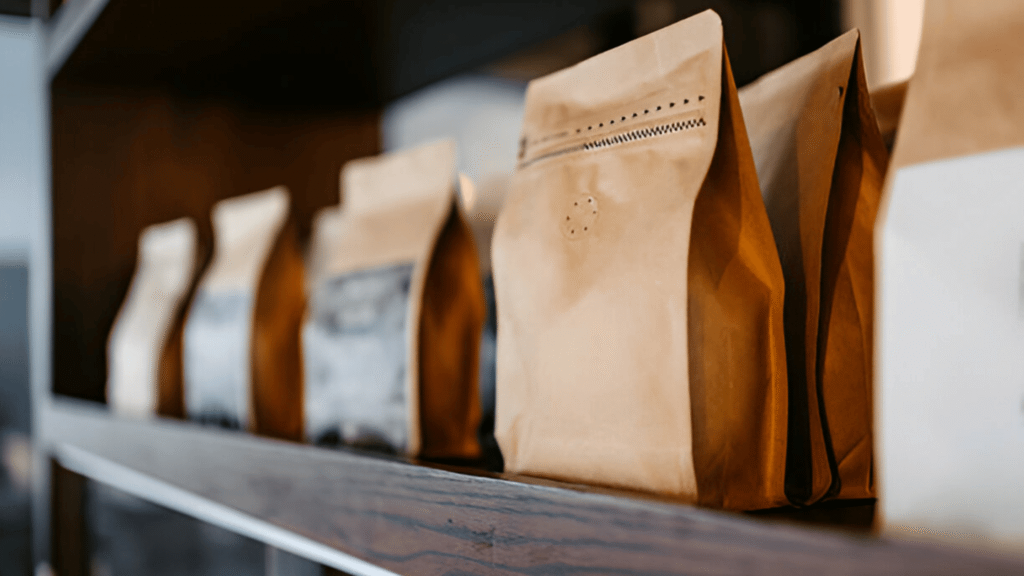
So, you’ve just bought a fresh bag of coffee and you’re eager to brew yourself a delicious cup. But before you can start your day with that perfect caffeine kick, you need to know how to properly open that coffee bag. Don’t worry, it’s simpler than you might think. In this article, we’ll guide you through the steps to open a coffee bag with ease, ensuring that you preserve the aroma and freshness of your precious coffee beans. Get ready to discover the secrets to opening a coffee bag like a pro!
Inspecting the Coffee Bag
Before you open your coffee bag, it’s important to take a moment and inspect the packaging. Check for any signs of damage such as rips, tears, or punctures. A damaged bag could indicate that the coffee inside may have been compromised or exposed to air, which can affect its freshness and flavor. Look for a bag that is intact and in good condition.
Another crucial aspect to inspect on the coffee bag is the roast date. This date indicates when the coffee beans were roasted, and fresher is always better when it comes to coffee. Ideally, you want to choose beans that have been recently roasted, as they will offer the best flavor. Look for a clearly marked roast date on the packaging, and if it’s not there, consider reaching out to the brand or roaster to inquire about the freshness of the beans.
Lastly, give the bag a once-over to ensure there are no defects or issues with the packaging. Check for any faulty seals, leaks, or bulges that could indicate a problem with the coffee inside. It’s important to be thorough in your inspection to ensure you’re starting with the highest quality coffee beans.
Preparing the Bag for Opening
Now that you’ve inspected the coffee bag and ensured it’s in good condition, it’s time to prepare it for opening. Start by selecting a clean surface where you can work. This could be a countertop, cutting board, or any other clean surface that provides enough space to handle the bag without any spills or messes.
Next, make sure to secure the bag properly. Depending on the type of bag, you may need to remove any external clips, clasps, or seals. Once these are undone, unroll the bag opening and smooth out any wrinkles or creases. This will make it easier to open the bag cleanly and minimize the risk of any spills.
Before you start opening the bag, gather the necessary tools. These tools may vary depending on your preference, but commonly used ones include scissors or a knife for cutting, tear notches for easy opening, and bag clips or twist ties for resealing. Having these tools ready will ensure a smooth and hassle-free experience when opening the coffee bag.
Using Scissors or a Knife
If you prefer using scissors or a knife to open your coffee bag, there are a few steps to follow to ensure a clean and controlled opening. First, ensure you have selected the right tool for the job. Scissors with a sharp and pointed tip or a small, sharp knife are ideal for this task. Make sure the blades are clean and free from any residue that could contaminate the coffee.
Hold the bag properly to maintain control while cutting. Grip the bag firmly but not too tightly to avoid accidentally tearing it. Position the tool of your choice at the top of the bag, a few inches away from the sealed part. With a smooth and controlled motion, make a small incision just above the seal, taking care not to go too deep and risk cutting the contents of the bag. Repeat the process on the other side of the sealed part, creating a clean opening for the coffee beans to pour out.
Using Tear Notches
Many coffee bags are equipped with tear notches, which provide a convenient and easy way to open the bag. To use them effectively, start by locating the tear notches. These are usually located on either side of the bag, near the top or under the seal. Take a moment to identify them before proceeding.
Once you’ve located the tear notches, hold the bag steadily with one hand while using the other hand to grasp the notches firmly. Make sure to grip them close to the bag’s surface to maintain control throughout the tearing process. With a smooth and even pull, exert pressure along the tear notches, moving from one side to the other. This action should result in a clean and straight opening, allowing you to access the coffee beans easily.
Using a Bag Clip or Twist Tie
If you prefer a more convenient way to open your coffee bag, utilizing a bag clip or twist tie is a great option. Before opening the bag, make sure to undo any additional seals or clasps that may be present. This will allow you to unroll the bag opening fully and prepare it for securing with the clip or twist tie.
To open the bag using a clip or twist tie, unroll the bag opening fully and ensure it is smooth and free from any creases or wrinkles. Once the opening is prepared, take the bag clip or twist tie and position it around the folded section of the bag. Secure it tightly to prevent any air or moisture from entering the bag. This method provides a simple and effective way to open the bag without the need for cutting or tearing.
Pouring the Coffee
Now that your coffee bag is open, it’s time to transfer the aromatic beans into a suitable container. Start by finding a container that is clean, dry, and large enough to accommodate the amount of coffee beans you plan to pour. It’s important to have a container with a wide mouth or opening to make the pouring process easier.
Hold the open coffee bag over the container, positioning it directly above the opening. This will minimize spills or loose grounds that may escape during the pouring process. Maintaining a steady hand, start pouring the coffee beans into the container, controlling the speed of the pour to ensure accuracy and prevent any unnecessary spills.
Resealing the Bag
After you’ve poured the desired amount of coffee beans, it’s crucial to properly reseal the bag to maintain the freshness of the remaining beans. Start by removing any excess air from the bag. Press down gently on the bag, starting from the top and working your way down to the bottom. This will help remove any trapped air that can lead to the beans losing their flavor.
Next, fold the bag properly to create a tight seal. Start by folding the top of the bag down to the level of the coffee beans, ensuring there are no gaps or openings. Then, fold the sides of the bag inward, overlapping them to further secure the seal. This folding technique will help prevent any air or moisture from entering the bag and compromising the coffee’s freshness.
To provide an extra layer of protection, utilize an airtight clip or rubber band to secure the folded section of the bag. Place the clip or rubber band tightly around the folded part, ensuring a snug fit. This additional step will help maintain the quality of the coffee beans and ensure they stay fresh for longer.
Storing the Bag
Proper storage is crucial to keep your coffee beans fresh and flavorful for as long as possible. Find a cool, dark place to store the bag, as exposure to heat and sunlight can quickly degrade the quality of the beans. Ideally, the temperature should be consistent, as fluctuations can also affect the coffee’s flavor.
In addition to temperature, it’s important to avoid storing the bag in a humid environment. Moisture can lead to mold and spoilage, ruining the beans’ taste and aroma. Direct sunlight and strong odors should also be avoided, as they can penetrate the bag and affect the coffee’s taste. Choose a storage location that is away from any strong-smelling substances, such as spices or cleaning products.
Managing Leftover Coffee
If you find yourself with leftover coffee, it’s essential to properly manage it to prevent any waste or loss of flavor. Begin by sealing the bag tightly to minimize air exposure. Remove any excess air by pressing down gently on the bag and folding it tightly, as described earlier.
Consider freezing the coffee for longer storage. Freezing can help preserve the beans‘ freshness and flavor. Place the sealed bag of coffee into an airtight container or freezer bag to protect it from moisture and odors in the freezer. When you’re ready to use the frozen coffee, allow it to thaw completely before opening the bag. This will help maintain the quality of the beans and ensure you enjoy a delicious cup of coffee.
If desired, you can re-grind the beans before freezing to make it easier to brew a fresh cup of coffee when needed. However, keep in mind that ground coffee tends to lose its freshness more quickly than whole beans, so it’s best to grind only what you need for immediate use.
Tips and Precautions
To enhance your coffee experience, consider the following tips and precautions:
- Buying whole beans instead of pre-ground coffee will ensure a fresher and more flavorful cup of coffee. Grinding the beans just before brewing releases the aromatic oils and maximizes the flavor.
- Avoid touching the grounds inside the bag directly with your hands. Ground coffee can absorb oils and impurities from the skin, affecting its taste and aroma.
- Read the bag’s instructions carefully. Different coffee beans may require specific brewing parameters, such as water temperature, brewing time, or grind size. Following the manufacturer’s recommendations will help you achieve the best possible taste.
By following these steps for inspecting, opening, pouring, resealing, storing, and managing leftover coffee, you’ll enjoy a fresh and aromatic cup of your favorite brew every time. Happy brewing!